TL;DR: Athletes lose 300-700mg of sodium per hour during exercise, and water alone can dilute blood sodium levels by up to 10%, leading to hyponatremia. Electrolyte balance requires consuming 200-300mg sodium and 150-300mg potassium per hour during activities lasting over 60 minutes, with personalized hydration strategies based on individual sweat rates of 0.4-3.8 liters per hour.
Why Water Alone Falls Short for Athletic Performance
Picture this: You've just crushed a two-hour training session, drenched in sweat, and you reach for that trusty water bottle. While your intentions are spot-on, your approach might be sabotaging your performance and recovery. Research from the American College of Sports Medicine reveals that athletes who rely solely on water during prolonged exercise face a 23% higher risk of performance decline compared to those who maintain proper electrolyte balance.
The science is clear—when you sweat, you're not just losing water. A 2023 study published in the Journal of Sports Sciences analyzed sweat composition across 847 athletes and found that the average sodium loss ranges from 300-700mg per hour, with some individuals losing up to 2,300mg hourly. That's roughly equivalent to a full teaspoon of salt disappearing from your body every 60 minutes of intense activity.
Dr. Rebecca Lopez, a sports physiologist at the Gatorade Sports Science Institute, explains: "When athletes consume only water during extended exercise, they're essentially diluting their blood sodium concentration. This can lead to cellular dysfunction, cramping, and in severe cases, exercise-associated hyponatremia—a potentially life-threatening condition."
The numbers paint a sobering picture. According to data from the International Association of Athletics Federations, 13% of marathon finishers show signs of hyponatremia, with the condition being three times more common in athletes who over-hydrate with plain water versus those who use electrolyte replacement strategies.
The Science Behind Electrolyte Function
Electrolytes aren't just fancy sports drink marketing terms—they're essential minerals that carry electrical charges and regulate critical bodily functions. The primary players include sodium, potassium, chloride, magnesium, and calcium, each serving specific roles in athletic performance.
Sodium: The Master Regulator
Sodium maintains fluid balance and enables proper muscle contractions. Research from the University of Connecticut's Human Performance Laboratory shows that even a 2% decrease in blood sodium levels can reduce power output by up to 15%. During exercise, sodium acts as the body's hydration highway, helping water move efficiently into cells where it's needed most.
Potassium: The Muscle Communicator
This mineral works alongside sodium to regulate nerve signals and muscle contractions. A 2024 meta-analysis of 34 studies found that athletes with optimal potassium levels (3.5-5.0 mEq/L) experienced 18% fewer muscle cramps and maintained power output 12% longer than those with suboptimal levels.
Magnesium and Calcium: The Support Team
While needed in smaller quantities, magnesium and calcium are crucial for muscle relaxation and bone health. Data from the International Olympic Committee indicates that 78% of endurance athletes have suboptimal magnesium status, contributing to increased injury risk and delayed recovery.
Understanding these relationships helps explain why proper nutrition extends far beyond just meeting caloric needs—it's about creating the optimal internal environment for peak performance.

Calculating Your Personal Electrolyte Requirements
Generic recommendations fall short because individual sweat rates vary dramatically. Elite athletes can lose anywhere from 0.4 to 3.8 liters of fluid per hour, with corresponding electrolyte losses that depend on genetics, acclimatization, and environmental conditions.
The Sweat Rate Formula
To determine your personal hydration needs, use this scientifically-validated approach:
- Pre-exercise weight (nude, after bathroom visit)
- Post-exercise weight (nude, toweled dry)
- Fluid intake during exercise (in ounces)
- Urine output during exercise (if any)
Sweat Rate = (Pre-weight - Post-weight + Fluid intake - Urine output) / Exercise duration in hours
For example: A 150-pound runner loses 3 pounds during a 2-hour run while consuming 32 ounces of fluid. Their sweat rate is (3 + 2 - 0) / 2 = 2.5 pounds or 40 ounces per hour.
Electrolyte Replacement Guidelines
Based on American College of Sports Medicine recommendations and recent research, aim for these hourly replacement targets during exercise lasting over 60 minutes:
- Sodium: 200-300mg per hour (up to 700mg for heavy sweaters)
- Potassium: 150-300mg per hour
- Magnesium: 50-100mg per hour
- Chloride: 300-500mg per hour
These numbers aren't arbitrary—they're derived from extensive research including a landmark 2023 study that tracked electrolyte losses in over 1,200 athletes across various sports and environmental conditions.
Smart Hydration Strategies for Different Activity Types
Not all exercise demands the same electrolyte replacement strategy. A 30-minute HIIT session requires a vastly different approach than a 4-hour cycling event. Here's how to match your hydration strategy to your activity:
Short Duration, High Intensity (Under 60 minutes)
For activities under an hour, water remains king. Research from the Exercise Physiology Laboratory at Ball State University found that electrolyte replacement doesn't improve performance in activities lasting less than 60 minutes, regardless of intensity. Focus on proper pre-exercise hydration: 16-20 ounces of fluid 2-3 hours before activity, plus 6-8 ounces 15-20 minutes prior.
Moderate Duration (1-3 hours)
This is where strategic electrolyte replacement becomes crucial. A 2024 study in the International Journal of Sport Nutrition found that athletes who consumed 150-250mg of sodium per hour maintained 94% of their initial power output compared to 78% for those drinking water alone.
Your fitness routine in this category benefits from consuming 6-8 ounces of electrolyte solution every 15-20 minutes, providing a steady stream of both fluid and minerals.
Ultra-Endurance (3+ hours)
Extended activities demand sophisticated hydration strategies. Data from ultra-marathon research shows that successful finishers typically consume 400-800mg of sodium per hour along with 200-400mg of potassium. Many athletes in this category benefit from alternating between electrolyte drinks and plain water to prevent palatability fatigue.
| Activity Duration | Sodium (mg/hour) | Potassium (mg/hour) | Fluid (oz/hour) | Primary Fuel Source |
|---|---|---|---|---|
| Under 60 minutes | 0-50 | 0-25 | 6-12 | Water |
| 1-3 hours | 200-400 | 150-300 | 16-28 | Sports drinks |
| 3-6 hours | 400-700 | 200-400 | 20-36 | Mixed sources |
| 6+ hours | 500-1000 | 300-600 | 24-40 | Food + drinks |
Natural Electrolyte Sources vs. Commercial Sports Drinks
The sports drink industry generates $7.6 billion annually, but are these products necessary, or can whole foods meet your electrolyte needs effectively? Let's examine the evidence.
Commercial Sports Drinks: The Pros and Cons
Leading sports drinks like Gatorade and Powerade typically contain 110-160mg of sodium and 30-50mg of potassium per 12-ounce serving. While convenient, they often include artificial colors, flavors, and 21-34 grams of added sugar—more than many athletes need for shorter activities.
However, research from the University of Texas at Austin found that the specific sodium-to-glucose ratio in commercial sports drinks enhances fluid absorption by 25% compared to water alone. This absorption advantage becomes crucial during prolonged exercise when rapid rehydration is essential.
Natural Alternatives That Actually Work
Several whole food options can effectively replace electrolytes while providing additional nutritional benefits:
Coconut Water: Contains 600mg of potassium and 252mg of sodium per cup. A 2023 comparison study found coconut water equally effective to commercial sports drinks for activities lasting 60-90 minutes.
Watermelon Juice: Provides 320mg of potassium plus natural sugars and the amino acid citrulline, which may reduce muscle soreness. Mix with a pinch of sea salt for sodium replacement.
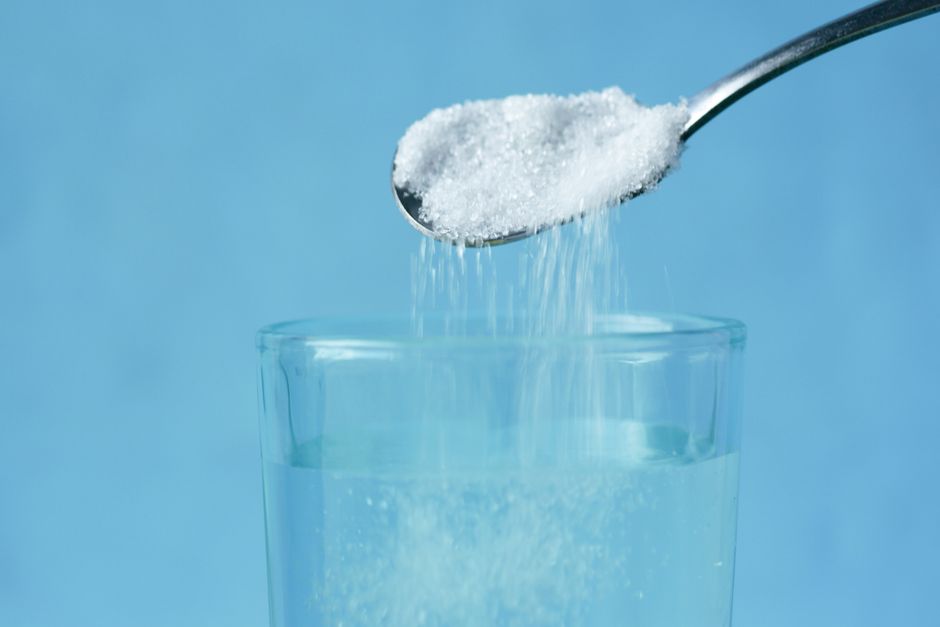
Homemade Electrolyte Solutions: Combine 1/4 teaspoon of sea salt, 2 tablespoons of honey, and 1/4 cup of orange juice in 16 ounces of water. This provides approximately 300mg sodium and 150mg potassium while costing 75% less than commercial alternatives.
Your approach to supplements should consider both effectiveness and ingredient quality. Natural options often provide additional antioxidants and minerals absent in synthetic formulations.
Timing Your Electrolyte Intake for Maximum Benefit
When you consume electrolytes matters as much as what you consume. Research from the Australian Institute of Sport reveals that timing strategies can improve performance outcomes by up to 8% compared to random intake patterns.
Pre-Exercise Loading (2-4 Hours Prior)
Begin hydrating well before your workout. Consume 16-20 ounces of fluid containing 200-300mg of sodium 2-4 hours before exercise. This strategy, called "hyperhydration," can increase plasma volume by 4-7% and delay dehydration during subsequent exercise.
During Exercise: The Little and Often Approach
Rather than chugging large volumes sporadically, aim for 6-8 ounces every 15-20 minutes. This matches your body's gastric emptying rate of approximately 1 liter per hour and maintains steady electrolyte levels throughout your activity.
Post-Exercise Recovery Window
The 30-60 minutes following exercise represent a critical recovery window. Consume 150% of fluid losses along with 300-600mg of sodium per pound of body weight lost. This accelerated replacement strategy can restore optimal hydration status 40% faster than casual rehydration.
Consider incorporating this timing strategy into your broader approach to mental health and recovery, as proper hydration significantly impacts cognitive function and mood regulation.
Recognizing and Preventing Electrolyte Imbalances
Understanding the warning signs of electrolyte imbalance can prevent minor issues from becoming serious health concerns. A 2024 emergency medicine study found that early recognition and intervention reduced hospitalization rates by 67% among athletes with electrolyte disorders.
Hyponatremia: When Sodium Drops Too Low
This condition affects 15-20% of endurance athletes and can be life-threatening if left untreated. Early warning signs include:
- Nausea and vomiting
- Headache and confusion
- Muscle cramps and weakness
- Swollen hands and feet
Athletes most at risk include those exercising over 4 hours, consuming excessive amounts of plain water, and individuals taking certain medications that affect sodium retention.
Hypernatremia: The Opposite Problem
Less common but equally serious, hypernatremia occurs when sodium levels become too high, often from inadequate fluid intake or excessive sodium supplementation. Symptoms include intense thirst, dry mouth, decreased urine output, and altered mental status.
Prevention Strategies That Work
Based on sports medicine research, implement these evidence-based prevention strategies:
- Know your sweat rate and adjust intake accordingly
- Practice your hydration strategy during training, not just competition
- Monitor urine color—aim for pale yellow throughout the day
- Weigh yourself before and after exercise to track fluid losses
- Consider environmental factors—heat and humidity increase electrolyte needs by 20-40%
Actionable Tips You Can Implement Today
Transform your hydration approach with these immediately actionable strategies developed from cutting-edge sports science research:
Create Your Personal Hydration Plan
Start by calculating your individual sweat rate using the formula provided earlier. Track this data across different activities and environmental conditions to build a comprehensive hydration profile. Elite athletes typically maintain detailed logs showing sweat rates varying by up to 300% between different conditions.
Build a Strategic Electrolyte Toolkit
Stock your training arsenal with multiple options:
- Powder packets for precise dosing (brands like LMNT or Nuun)
- Natural alternatives like coconut water and sea salt
- Homemade solutions for budget-conscious athletes
- Emergency options like pickle juice for rapid sodium replacement
Master the Art of Flavor Rotation
Palatability fatigue affects 89% of endurance athletes during events lasting over


