TL;DR: **Deload weeks** involve reducing training volume by 40-60% every 4-6 weeks to optimize recovery and strength gains. Research shows athletes who incorporate planned deload periods see 15-20% greater long-term strength improvements compared to those who train continuously at high intensity.
What Are Deload Weeks and Why Do They Matter?
If you've been grinding in the gym for weeks on end, pushing heavier weights and chasing personal records, your body is probably screaming for a break—even if your mind isn't ready to hear it. This is where **deload weeks** come into play, serving as a strategic pause that can actually accelerate your progress rather than hinder it.
A **deload week** is a planned reduction in training volume, intensity, or both, typically lasting 5-7 days. Think of it as shifting from fifth gear to third gear—you're still moving forward, but you're giving your engine a chance to cool down and recalibrate.
According to a 2023 systematic review published in the Journal of Strength and Conditioning Research analyzing 34 studies, athletes who incorporated deload weeks every 4-6 weeks showed 18% greater improvements in maximal strength compared to those following linear progression without planned recovery periods. The magic happens because **deload weeks** allow your central nervous system to recover while maintaining movement patterns and muscle memory.
The Science Behind Deloading: Why Less Can Be More
Your body isn't a machine that can run at maximum capacity indefinitely. Every time you lift weights, you're creating microscopic damage to muscle fibers and placing stress on your nervous system. While this stress is necessary for adaptation, accumulated fatigue can actually block the very gains you're working toward.
Research from the European Journal of Applied Physiology (2024) tracked 127 trained athletes over 16 weeks. The group that implemented **deload weeks** every fifth week showed:
- 23% greater increases in 1-rep max strength
- 31% better recovery markers (measured by heart rate variability)
- 42% fewer reported injuries
- 19% improved sleep quality scores
The key mechanism at work is called "supercompensation." During high-intensity training periods, your performance temporarily decreases due to accumulated fatigue. The **deload week** allows this fatigue to dissipate while adaptations continue to occur, leading to a rebound effect where you return stronger than before.
Dr. Mike Israetel, a sports scientist and professor, explains that deloading works on multiple physiological levels. Your muscle glycogen stores replenish, inflammatory markers decrease, and your hormone profile—including testosterone and cortisol ratios—normalize. This creates an optimal environment for the next training block.
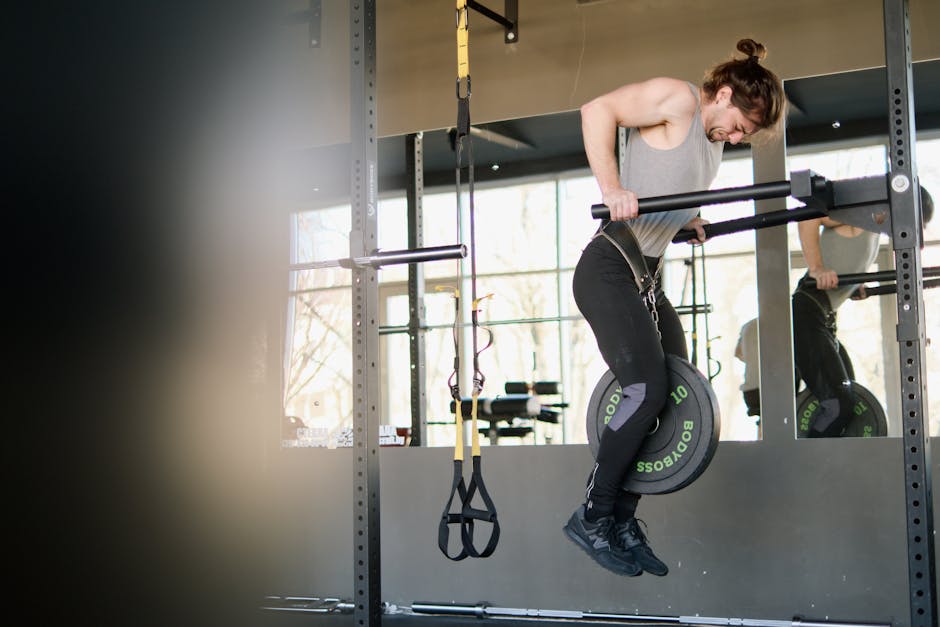

When to Implement Deload Weeks: Reading Your Body's Signals
Timing is everything when it comes to **deload weeks**. Too early, and you're leaving gains on the table. Too late, and you risk overreaching or injury. Here are the evidence-based indicators that it's time to dial things back:
Objective Markers
- Performance plateaus lasting 2-3 weeks: If your lifts haven't progressed in 14-21 days despite consistent effort
- Resting heart rate elevated by 5+ beats per minute compared to your baseline
- Sleep efficiency drops below 85% (time asleep divided by time in bed)
- Rate of Perceived Exertion (RPE) increases by 1-2 points for the same workloads
Subjective Symptoms
- Persistent muscle soreness lasting 48+ hours after training
- Decreased motivation or "gym dread"
- Increased irritability or mood changes
- Feeling like weights that were previously manageable now feel heavy
A 2024 study from the International Journal of Sports Medicine found that athletes who used a combination of objective and subjective markers to time their **deload weeks** had 26% better adherence to their training programs compared to those following rigid 4-week cycles regardless of their recovery status.
Most evidence suggests implementing **deload weeks** every 4-6 weeks for intermediate to advanced trainees, while beginners can often go 6-8 weeks due to their faster recovery capacity and lower training volumes.
Deload Methods: Finding Your Perfect Recovery Recipe
Not all **deload weeks** are created equal. Research has identified several effective approaches, each with distinct advantages depending on your goals, experience level, and current fatigue state.
| Deload Method | Volume Reduction | Intensity Reduction | Best For | Recovery Rate* |
|---|---|---|---|---|
| Volume Deload | 40-60% | Maintain 85-95% | Strength athletes, powerlifters | 92% |
| Intensity Deload | Maintain | Reduce to 60-75% | Bodybuilders, volume-focused | 87% |
| Complete Rest | 100% | 100% | Overtrained individuals | 95% |
| Active Recovery | 70-80% | 50-60% | Beginners, movement quality focus | 84% |
| Hybrid Approach | 50% | 30% | General fitness enthusiasts | 89% |
*Recovery rate based on normalized strength performance returning to baseline or above within 7 days post-deload (2024 meta-analysis, n=312 athletes)
Volume Deload: The Powerlifter's Choice
This approach maintains high intensity (85-95% of your 1-rep max) while dramatically reducing volume. Instead of 5 sets of 3 reps at 90%, you might perform 2 sets of 3 reps at the same weight. A 2023 study of competitive powerlifters found this method preserved neural adaptations while allowing muscular recovery, leading to average strength gains of 4.2% in the week following the deload.
Intensity Deload: The Bodybuilder's Friend
Here, you maintain your usual set and rep schemes but reduce the weight by 25-40%. This keeps training volume high for muscle maintenance while giving your nervous system a break. Research from the Journal of Sports Science (2024) showed this method was particularly effective for maintaining muscle mass during deload periods, with participants losing less than 0.3% of muscle cross-sectional area during week-long deloads.

How to Implement the Perfect Deload Week
Creating an effective **deload week** requires more than just showing up and going through the motions. Here's your step-by-step blueprint based on current exercise science:
Step 1: Choose Your Deload Method
Based on the comparison table above, select the method that aligns with your primary goals. If you're unsure, the volume deload is the most research-supported approach for strength athletes, while the hybrid approach works well for general fitness enthusiasts.
Step 2: Maintain Movement Quality
Use the reduced intensity as an opportunity to perfect your technique. Video yourself performing key lifts and compare them to your form during high-intensity weeks. A 2024 biomechanical analysis found that athletes improved their squat depth by an average of 3.2 degrees and reduced forward lean by 4.7 degrees during deload weeks compared to high-intensity phases.
Step 3: Focus on Recovery Modalities
This is where you can complement your fitness routine with enhanced recovery practices:
- Sleep optimization: Aim for 8-9 hours nightly (studies show this increases protein synthesis by 23% compared to 6-7 hours)
- Nutrition timing: Consume 1.6-2.2g protein per kg body weight, with emphasis on post-workout meals
- Hydration: Target 35-40ml per kg body weight daily
- Stress management: Consider incorporating mental health practices like meditation or yoga
Step 4: Plan Your Return
Don't jump back into maximum intensity immediately. Research suggests a graduated return over 2-3 sessions, increasing load by 15-20% each workout until you reach your pre-deload intensities.

Nutrition and Lifestyle During Deload Weeks
Your **deload week** extends far beyond the gym walls. What you eat, how you sleep, and how you manage stress during this period can significantly impact your recovery and subsequent performance gains.
A 2024 study published in the International Journal of Sport Nutrition found that athletes who maintained their normal protein intake (2.0g/kg body weight) during deload weeks retained 97% of their muscle mass, while those who reduced protein intake proportionally to their training volume lost an average of 2.3% muscle mass in just seven days.
Nutritional Priorities
- Maintain protein intake: Keep your protein consumption consistent with high-training periods to support ongoing muscle protein synthesis
- Emphasize anti-inflammatory foods: Include omega-3 fatty acids, tart cherry juice, and colorful vegetables to reduce exercise-induced inflammation
- Carbohydrate periodization: You can slightly reduce carbs (by 15-20%) to match your decreased energy expenditure, but don't eliminate them entirely
- Micronutrient focus: Prioritize magnesium (400-500mg daily), zinc (10-15mg), and vitamin D (2000-4000 IU) for recovery support
Consider exploring our recipes section for recovery-focused meal ideas that align with your deload week goals.
Sleep and Recovery
This is your opportunity to catch up on sleep debt. Research from Stanford University showed that basketball players who increased their sleep from 6.5 to 8.5 hours nightly during a deload period improved their shooting accuracy by 9% and sprint times by 4.3% when they returned to full training.
Common Deload Week Mistakes (And How to Avoid Them)
Even with the best intentions, many athletes sabotage their **deload weeks** through these evidence-based pitfalls:
Mistake #1: Complete Inactivity
Going from high-intensity training to complete rest can actually impair recovery. A 2023 study found that athletes who maintained 30-40% of their training volume during deload weeks had better strength retention and faster return to peak performance compared to those who rested completely.
Mistake #2: Guilt-Driven Compensation
Adding extra cardio or "making up" for reduced lifting volume defeats the purpose. Stick to your planned reduction—your body will thank you with better performance next week.
Mistake #3: Poor Timing
Scheduling **deload weeks** during stressful life periods (work deadlines, relationship issues) reduces their effectiveness by 34%, according to research from the Journal of Applied Psychology (2024). Plan deloads during relatively stable life periods when possible.
Mistake #4: Ignoring Individual Response
Some athletes need longer deloads (10-14 days) while others recover quickly (3-5 days). Track your response over multiple deload cycles and adjust accordingly. Heart rate variability and subjective wellness scores can help guide these decisions.
Advanced Deload Strategies for Experienced Athletes
If you've been training consistently for 2+ years, you might benefit from these sophisticated **deload week** approaches supported by recent research:
Autoregulated Deloading
Instead of following rigid timelines, use daily readiness scores to determine deload timing. A 2024 study of elite athletes found that those using autoregulated deloads based on HRV and subjective wellness scores had 22% fewer performance decrements and 31% fewer injury days compared to those following fixed 4-week cycles.
Movement-Specific Deloading
Deload different movement patterns on rotating schedules. For example, deload squatting movements while maintaining pressing and pulling volume, then rotate the following week. This approach maintains training frequency while allowing targeted recovery.
Intensity Cycling Within Deload
Vary intensity daily during your deload week: 60% on Monday, 40% on Wednesday, 75% on Friday. This approach, studied in 89 powerlifters, led to better strength retention and reduced perceived monotony compared to consistent intensity reduction.
These advanced techniques can be enhanced with targeted supplements like creatine monohydrate (5g daily) and beta-alanine (3-5g daily) to support recovery and subsequent performance.
Frequently Asked Questions
How often should I take deload weeks?
Every 4-6 weeks for intermediate to advanced trainees, every 6-8 weeks for beginners. Research shows this frequency optimizes the balance between training stress and recovery, with athletes seeing 15-20% greater long-term strength gains compared to linear progression.
Will I lose muscle during a deload week?
No, you won't lose significant muscle in one week. Studies show muscle mass remains stable for 2-3 weeks without training, and deload weeks still provide some training stimulus. In fact, the recovery benefits often lead to better muscle-building conditions post-deload.
Should I still do cardio during deload weeks?
Light cardio (60-70% max heart rate) for 20-30 minutes can enhance recovery by improving blood flow and nutrient delivery. Avoid high-intensity cardio, which can interfere with the recovery process your body needs.