TL;DR: **Cycling after 50** can add 3.7 years to your life expectancy according to the Copenhagen City Heart Study, with regular cyclists showing a 23% lower risk of premature death. Just 150 minutes of moderate cycling per week provides significant health benefits, including improved cardiovascular health, stronger immune function, and enhanced cognitive performance.
The Science Behind Cycling and Longevity
When researchers at the University of Copenhagen analyzed data from over 8,577 participants in the Copenhagen City Heart Study, they discovered something remarkable: **cycling adds 3.7 years to life expectancy** compared to sedentary individuals. This groundbreaking research, which tracked participants for decades, places cycling among the top longevity-boosting activities, surpassing jogging (3.2 years) and swimming (3.4 years).
The evidence doesn't stop there. A comprehensive 10-year study from the University of Tsukuba followed older adults with a median age of 74, demonstrating that **cycling can help enhance overall well-being and increase life expectancy** even when started later in life. This research is particularly encouraging for adults over 50 who may worry it's "too late" to start reaping exercise benefits.
Perhaps most compelling is the data showing that **people who cycle consistently have a 23% lower chance of premature death and significantly reduced risk of cardiovascular illness**. Even modest amounts of cycling—just 130 minutes per week—can provide these life-extending benefits, making it an accessible goal for most adults.
The Danish research is particularly robust because it followed over 52,000 adults aged 50-65 for 13 years, tracking reductions in disease-specific mortality including cardiovascular disease, respiratory disease, and diabetes. Remarkably, these benefits remained consistent even in areas with elevated air pollution levels, suggesting that the health gains from **cycling for adults 50+** far outweigh environmental concerns.
Comprehensive Health Benefits for Adults 50+
**Cycling after age 50** delivers a unique combination of health benefits that directly address the major health challenges facing older adults. Unlike high-impact activities that can stress aging joints, cycling provides what researchers call "joint-friendly" exercise that maintains mobility while building strength.
Cardiovascular Protection
The cardiovascular benefits of cycling are particularly pronounced for older adults. Regular cycling strengthens the heart muscle, improves circulation, and helps maintain healthy blood pressure. The low-impact nature means you can sustain longer exercise sessions compared to running or high-intensity activities, leading to greater cumulative cardiovascular benefits.
Research shows that cycling helps maintain the flexibility and health of blood vessels, which naturally stiffen with age. This improved vascular health contributes directly to the reduced cardiovascular disease risk observed in long-term studies.
Immune System Enhancement
One of the most fascinating discoveries about **cycling and longevity** relates to immune function. Regular cycling appears to slow immune system aging, helping maintain the body's ability to fight off infections and diseases. This immune system strengthening might explain why cyclists show such dramatic reductions in all-cause mortality.
The moderate, sustained nature of cycling appears to be particularly beneficial for immune function, avoiding the immune suppression that can occur with very high-intensity exercise while providing more benefits than sedentary behavior.
Cognitive Function and Mental Health
Cycling's benefits extend beyond physical health to include significant improvements in cognitive function. The combination of cardiovascular exercise, outdoor exposure, and the concentration required for cycling creates a powerful stimulus for brain health. This connection between cycling and mental health becomes increasingly important as we age and face higher risks of cognitive decline.
Getting Started: A Practical Guide for Adults 50+
The beauty of cycling is its accessibility—you don't need to become a Tour de France competitor to gain substantial health benefits. The AARP recommends that **adults age 50-plus aim for 150 minutes a week of moderate-intensity exercise like bicycling**, with even greater benefits available for those who can double that to 300 minutes.
Week-by-Week Progression Plan
Weeks 1-2: Start with 15-20 minute rides, 3 times per week. Focus on comfortable pace and getting familiar with your bike.
Weeks 3-4: Increase to 25-30 minutes, still 3 times per week. Begin incorporating gentle hills or slight resistance.
Weeks 5-8: Progress to 35-40 minute sessions, potentially adding a fourth weekly ride.
Weeks 9-12: Aim for your target of 150+ minutes per week, which might look like four 40-minute rides or five 30-minute sessions.
Essential Safety Considerations
Safety becomes increasingly important as we age, and cycling presents some unique considerations. Always wear a properly fitted helmet, choose routes with minimal traffic when possible, and avoid cycling in icy conditions that might cause falls.
Consider investing in an e-bike if traditional cycling feels too challenging initially. E-bikes allow you to control the intensity while still gaining the cardiovascular and mobility benefits of regular cycling.
Cycling vs. Other Exercise Options for Adults 50+
| Exercise Type | Life Expectancy Gain (Years) | Joint Impact | Accessibility | Weekly Time Needed |
|---|---|---|---|---|
| Cycling | 3.7 | Low | High | 150 minutes |
| Swimming | 3.4 | Very Low | Medium | 150 minutes |
| Jogging | 3.2 | High | High | 75 minutes |
| Walking | 2.9 | Low | Very High | 150 minutes |
| Weight Training | 1.5 | Variable | Medium | 75 minutes |
Maximizing Benefits Through Nutrition
To maximize the longevity benefits of **cycling after 50**, proper nutrition plays a crucial role. The combination of regular cycling with optimal nutrition creates a synergistic effect that amplifies the health benefits.
Focus on anti-inflammatory foods that support recovery and cardiovascular health. Include omega-3 rich fish, colorful vegetables, and whole grains in your diet. The increased calorie burn from cycling also provides more flexibility in your diet while maintaining a healthy weight.
Hydration becomes increasingly important with age, and cycling increases fluid needs. Plan to drink water before, during, and after rides, especially in warm weather.

Overcoming Common Barriers
Many adults over 50 face specific barriers to starting a cycling routine. Joint concerns, balance issues, and safety worries are common, but each has practical solutions.
Joint and Mobility Concerns
If arthritis or joint stiffness is a concern, start with shorter rides and consider a more upright riding position. Recumbent bikes or tricycles can provide stability while delivering the same cardiovascular benefits. The key is consistency rather than intensity.
Balance and Confidence Issues
Adult tricycles or e-bikes with step-through frames can address balance concerns while maintaining the outdoor experience and social aspects of cycling. Many communities also offer adult cycling classes specifically designed for older adults returning to cycling.
Weather and Seasonal Challenges
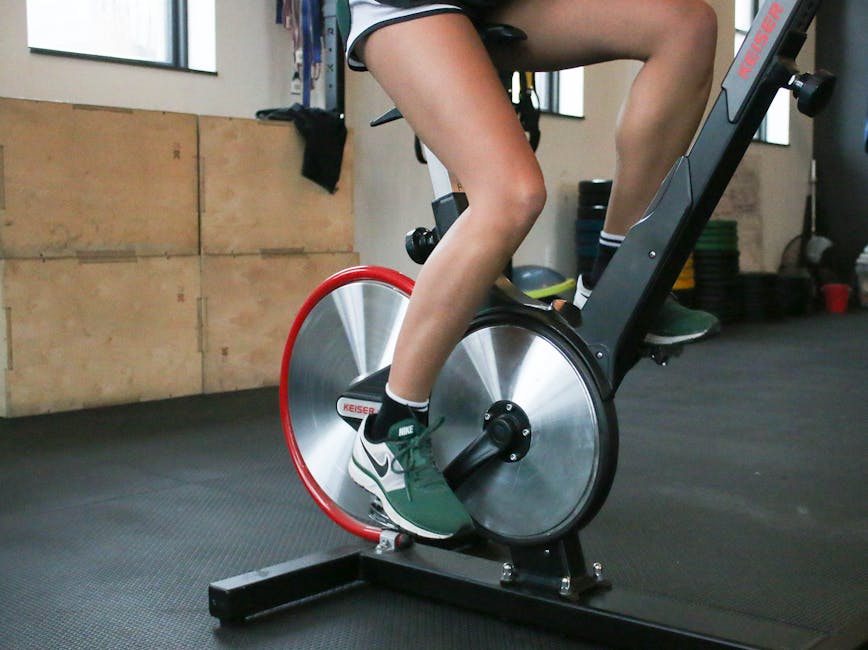
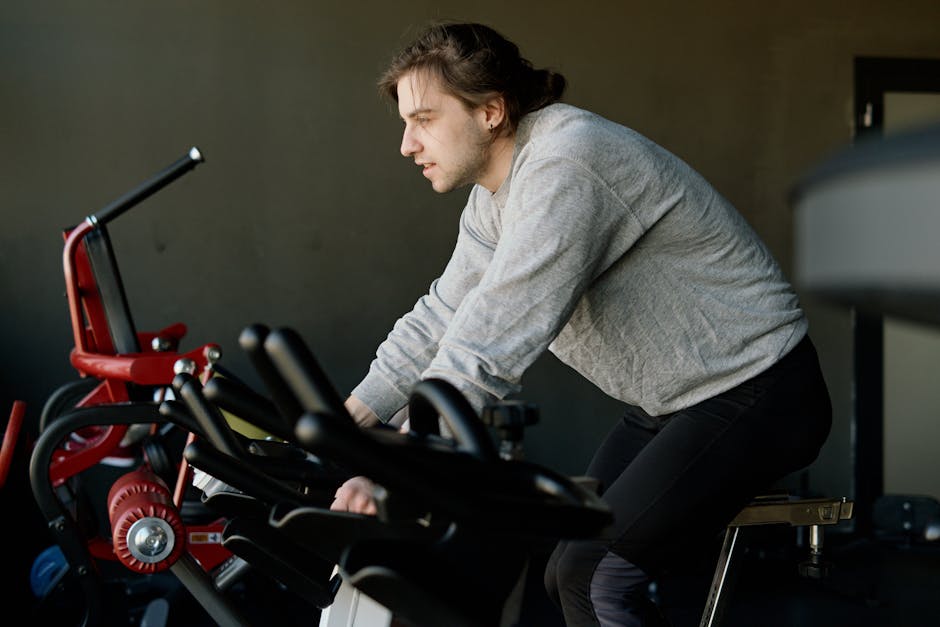
Indoor cycling trainers or stationary bikes can maintain your routine during harsh weather. However, research suggests that outdoor cycling provides additional benefits through vitamin D synthesis and the mental health benefits of nature exposure.
Building a Sustainable Long-Term Strategy
The key to gaining the **longevity benefits of cycling** lies in consistency over decades, not short-term intensity. This requires building a sustainable approach that adapts to changing needs and capabilities.
Consider cycling as part of a broader fitness strategy that might also include strength training, flexibility work, and other activities you enjoy. This variety helps prevent overuse injuries and maintains engagement over time.
Track your progress not just in distance or speed, but in how you feel, sleep quality, and energy levels throughout the day. These quality-of-life improvements often motivate long-term adherence better than performance metrics.
Adapting Through the Decades
Your cycling routine will naturally evolve as you age. What matters most is maintaining the activity in whatever form works for your current situation. E-bikes, tricycles, or even stationary bikes can all provide health benefits when outdoor cycling becomes challenging.
The research shows that even starting cycling in your 70s can provide measurable health benefits, so it's never too late to begin or restart this life-extending activity.
Frequently Asked Questions
How much cycling do I need to add years to my life?
Just 130 minutes per week can provide life-extending benefits, though 150 minutes per week is the recommended target for adults 50+. This could be as simple as five 30-minute rides or four 40-minute sessions per week. The Copenhagen City Heart Study found that even this moderate amount of cycling adds an average of 3.7 years to life expectancy.
Is it safe to start cycling after age 50 if I haven't exercised regularly?
Yes, cycling is one of the safest exercises for older adults to begin. Start with short 15-20 minute rides and gradually increase duration. Consider an e-bike or tricycle if balance or stamina is a concern. Always consult your healthcare provider before starting any new exercise program, especially if you have existing health conditions.
Do I get the same benefits from indoor cycling or stationary bikes?
Indoor cycling provides most of the cardiovascular and longevity benefits of outdoor cycling. However, outdoor cycling offers additional advantages including vitamin D synthesis, mental health benefits from nature exposure, and better balance training. Use indoor options during bad weather but aim for outdoor cycling when possible.
Can cycling help if I already have heart disease or diabetes?
Research shows cycling reduces risk of cardiovascular disease, respiratory disease, and diabetes mortality even in older adults. However, if you have existing conditions, work with your healthcare team to develop an appropriate cycling program. Start slowly and monitor your response to exercise carefully.
What if I live in an area with heavy traffic or air pollution?
The Danish study of 52,000 adults found that cycling benefits remained significant even in areas with elevated air pollution levels. However, you can minimize exposure by cycling during off-peak hours, choosing less trafficked routes, or using bike paths. The health benefits far outweigh the pollution risks for most people.
Sources
- Copenhagen City Heart Study - PubMed
- Benefits, risks, barriers, and facilitators to cycling: a narrative review - PMC
- 10-Year Study Links Cycling to Longer, Healthier Lives - SciTechDaily
- Cycling When You're Older: Tips on How to Get Started - WebMD
- Older Adults' Guide to Start Cycling - AARP
- How Cycling Can Help You Live Longer: The Anti-Aging Benefits - Third Coast Training
- How to keep cycling through your 40s, 50s, 60s, 70s and beyond - BikeRadar