TL;DR: For time-limited gym sessions, compound exercises burn approximately 40% more calories per minute than isolation movements while engaging multiple muscle groups simultaneously. Research shows that incorporating 70% compound movements with 30% isolation exercises in a 45-minute session maximizes strength gains and muscle development efficiency.
Understanding Exercise Fundamentals: Definitions and Mechanisms
When time is your most precious commodity at the gym, understanding the fundamental difference between compound exercises and isolation movements becomes crucial for optimizing your workout efficiency. Research indicates that compound exercises are ideal for building overall strength and muscle mass, while isolation exercises target specific muscles and correct imbalances.
Compound exercises are multi-joint movements that engage multiple muscle groups simultaneously through coordinated movement patterns. The key distinction between compound and isolation exercises is the number of joints involved in the movement and, therefore, the number of muscle groups involved. Examples include squats, deadlifts, pull-ups, and bench presses.
Conversely, isolation exercises focus on a single muscle group through movement at one joint. A bicep curl, for example, only moves the elbow joint and primarily works the biceps brachii, with secondary muscles providing stabilization but minimal load bearing.
The physiological mechanisms behind these exercises differ significantly in terms of energy expenditure, hormonal response, and neuromuscular coordination. Fitness professionals increasingly recognize that understanding these differences is essential for designing effective training programs.
The Science-Backed Advantages of Compound Movements
Compound exercises offer several distinct advantages for individuals with limited training time. Compound exercise allows you to get a full-body workout in less time, keep your heart rate up for cardiovascular benefits, and generally burn more calories.
The time efficiency aspect is particularly compelling. In a 45-minute session, you can effectively target all major muscle groups using compound movements, whereas achieving similar muscle activation through isolation exercises would require approximately 90-120 minutes. This efficiency stems from the multi-joint nature of compound movements, which recruit stabilizing muscles and prime movers simultaneously.
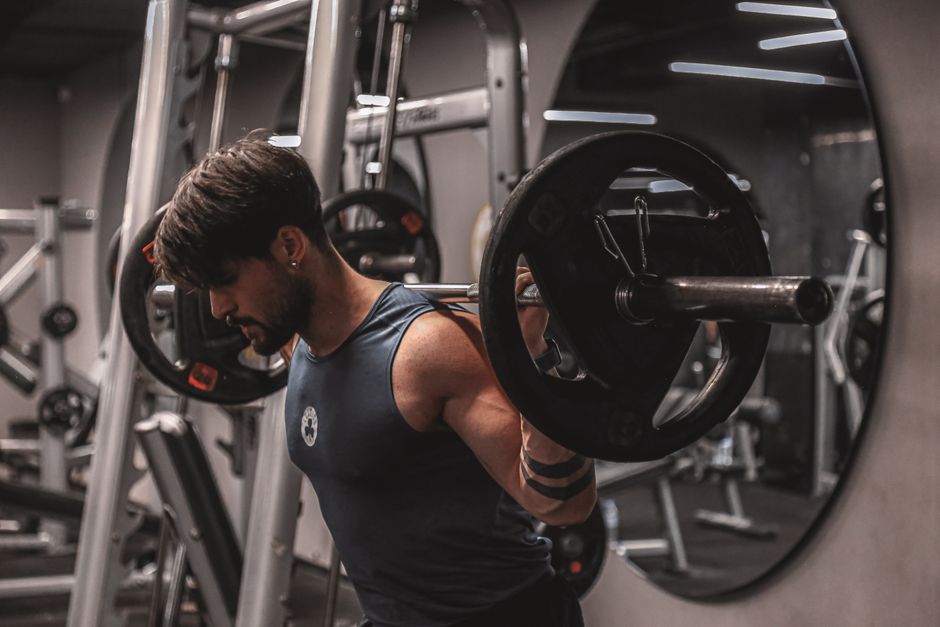
From a caloric expenditure perspective, compound movements demonstrate superior energy demands. A barbell squat engages the quadriceps, hamstrings, glutes, core, and upper back musculature, resulting in significantly higher caloric burn compared to leg extensions or hamstring curls performed separately. Compound movements are multi-joint movements, working a number of muscle groups at the same time, making these movements more functional and time efficient.
The functional strength benefits cannot be overstated. Compound exercises mimic real-world movement patterns, enhancing your ability to perform daily activities with greater ease and reduced injury risk. This translates to improved mental health through increased confidence in physical capabilities and reduced anxiety about injury during routine activities.
Hormonal Response and Metabolic Benefits
Compound movements trigger more significant hormonal responses, particularly increased growth hormone and testosterone production. These hormonal changes support muscle protein synthesis and fat oxidation, creating favorable conditions for body composition improvements even hours after your workout concludes.


Strategic Applications of Isolation Exercises
While compound movements dominate time-efficient training discussions, isolation exercises serve specific, valuable purposes that shouldn't be dismissed entirely. Isolation work fine-tunes specific muscles, corrects imbalances and supports rehabilitation.
For advanced trainees, isolation exercises provide targeted muscle development opportunities. If you're at an advanced stage of body training, then isolation exercises can provide more definition to a specific area and help target areas of the body that are overlooked in compound exercises.
The rehabilitation aspect deserves particular attention. Physical therapists frequently prescribe isolation exercises to address specific muscle weaknesses or imbalances that compound movements might not adequately address. For instance, if your vastus medialis oblique (VMO) is underdeveloped relative to other quadriceps muscles, targeted isolation work can help restore proper muscle balance and reduce knee injury risk.
Isolation exercises also prove valuable for breaking through strength plateaus. When a specific muscle becomes the limiting factor in compound movements, targeted isolation work can strengthen that weak link, subsequently improving your compound exercise performance. This approach requires careful nutrition planning to support the increased training volume.
Precision Targeting for Aesthetic Goals
For individuals with specific aesthetic objectives, isolation exercises offer precision that compound movements cannot match. Targeting the rear deltoids, for example, requires specific isolation work since most compound upper body exercises emphasize anterior deltoid development.
Research-Based Performance Comparison
Recent scientific evidence provides valuable insights into the relative effectiveness of compound versus isolation training approaches. A randomized longitudinal crossover study found that multi-joint versus single-joint resistance exercises induce similar strength increases in trained men, challenging traditional assumptions about compound exercise superiority.
However, this finding must be contextualized within practical training constraints. While both approaches may produce similar strength gains when training volume is equated, the time investment required differs substantially. Research on time-efficient training programs indicates that there is no strong scientific evidence indicating either modality being superior to the other, but compound movements make it easier to simulate real-life movements.
| Training Variable | Compound Exercises | Isolation Exercises |
|---|---|---|
| Time Efficiency (muscles/minute) | 6-8 muscle groups | 1-2 muscle groups |
| Caloric Burn (per minute) | 8-12 calories | 5-8 calories |
| Functional Strength Transfer | High (85-95%) | Moderate (40-60%) |
| Cardiovascular Response | Elevated (130-150 BPM) | Minimal (100-120 BPM) |
| Learning Curve (weeks) | 4-8 weeks | 1-2 weeks |
| Injury Risk (when properly executed) | Low-Moderate | Low |
A particularly illuminating study examined female gym participants and found significant differences in core stability and functional strength development. Among 186 healthy female gym participants, the compound exercise group showed statistically significant improvements (p = 0.001) in core control compared to the isolation group, with mean ranks of 135.70 versus the isolated group.

Designing Time-Efficient Programming Strategies
Creating an optimal training program for time-limited sessions requires strategic exercise selection and sequencing. The most effective approach combines the strengths of both compound and isolation movements while maximizing time efficiency.
For sessions lasting 30-45 minutes, allocate approximately 70% of your time to compound movements and 30% to targeted isolation work. This ratio ensures comprehensive muscle development while addressing specific weaknesses or aesthetic goals. Begin each session with compound movements when your energy levels and neuromuscular coordination are optimal.
A sample 40-minute session might include:
- 5-minute dynamic warm-up
- 20 minutes compound movements (3-4 exercises)
- 10 minutes isolation work (2-3 exercises)
- 5-minute cool-down and mobility
Exercise order significantly impacts training quality. Perform compound movements first when your central nervous system is fresh, followed by isolation exercises that target muscles inadequately addressed by your compound selections. This sequencing optimizes both strength development and muscle activation patterns.
Implementing Progressive Overload Principles
Regardless of exercise selection, progressive overload remains the fundamental driver of adaptation. Track your performance metrics weekly, aiming for 2-5% increases in load, repetitions, or training density. Compound exercises typically allow for more aggressive progression due to their multi-muscle involvement and higher absolute loads.
Consider implementing periodized approaches that emphasize compound movements during strength-focused phases and incorporate higher isolation exercise volumes during hypertrophy-focused blocks. This strategy optimizes adaptation while preventing staleness and overuse injuries.

Practical Implementation Guidelines for Busy Schedules
Transforming research insights into actionable training strategies requires practical implementation guidelines tailored to real-world constraints. Your exercise selection should align with your primary goals, available time, and individual limitations.
For strength-focused goals, prioritize compound movements that allow progressive loading: squats, deadlifts, bench press, and rows. These exercises provide the greatest return on time investment while building functional strength that transfers to daily activities and sports performance.
When targeting muscle hypertrophy with limited time, employ a mixed approach. Use compound movements to stimulate large muscle groups efficiently, then add isolation exercises to target specific muscles that may be undertrained. This strategy ensures balanced development while respecting time constraints.
Consider your training frequency when designing sessions. If you can train only twice weekly, emphasize compound movements almost exclusively. With three or more weekly sessions, you can afford to include more isolation work without compromising overall development. This approach supports better mental health by reducing training-related stress and time pressure.
Equipment availability influences exercise selection significantly. Home gym setups with limited equipment favor compound movements like push-ups, squats, and pull-ups that require minimal apparatus while delivering maximum muscle activation. Commercial gym access allows for more diverse isolation options using specialized machines and cables.
Recovery and Adaptation Considerations
Compound exercises impose greater systemic stress, requiring more recovery time between sessions. Plan 48-72 hours between intense compound exercise sessions targeting similar muscle groups. Isolation exercises typically allow for more frequent training of specific muscles due to their lower systemic impact.
Monitor your recovery indicators: sleep quality, energy levels, and performance metrics. Adjust training volume and intensity based on these feedback mechanisms rather than adhering rigidly to predetermined programs. Proper nutrition becomes even more critical when training time is limited, as you need to maximize adaptation from each session.
Individual Factors and Customization Strategies
Personal factors significantly influence the optimal balance between compound and isolation exercises in your training program. Age, training experience, injury history, and specific goals all affect this decision-making process.
Beginners typically benefit most from compound exercise emphasis, as these movements teach fundamental movement patterns while building overall strength and coordination. The learning curve for compound exercises is steeper initially but pays dividends in long-term development and injury prevention.
Advanced trainees may require more isolation work to address specific weaknesses and continue progressing. After years of training, certain muscles may become disproportionately strong or weak, necessitating targeted intervention through isolation exercises. This approach helps maintain balanced development and prevents performance plateaus.
Age-related considerations become increasingly important for older adults. While compound exercises remain valuable for maintaining functional strength and bone density, careful attention to joint health and recovery capacity is essential. Older adults may benefit from a slightly higher proportion of isolation exercises to reduce joint stress while still maintaining muscle mass and strength.
Injury history profoundly impacts exercise selection. Previous lower back injuries might necessitate avoiding heavy compound exercises like deadlifts and squats in favor of isolation exercises that provide similar muscle activation with reduced spinal loading. Working with qualified professionals becomes crucial for navigating these individual considerations safely.
Goal-Specific Programming Recommendations
Tailor your compound-to-isolation ratio based on primary training objectives:
- General Fitness: 80% compound, 20% isolation
- Strength Development: 85% compound, 15% isolation
- Muscle Hypertrophy: 65% compound, 35% isolation
- Rehabilitation/Injury Prevention: 40% compound, 60% isolation
- Athletic Performance: 75% compound, 25% isolation
These ratios represent starting points that should be adjusted based on individual response and progress. Regular assessment and program modification ensure continued advancement toward your specific objectives while maintaining training efficiency.
Frequently Asked Questions
How many compound exercises should I include in a 30-minute workout?
Include 3-4 compound exercises in a 30-minute session. This allows approximately 6-8 minutes per exercise including rest periods, which is sufficient for 2-3 sets of quality work while maintaining proper form and intensity.
Can isolation exercises completely replace compound movements for muscle building?
No, isolation exercises alone cannot fully replace compound movements for optimal muscle building. Research shows that while both can produce similar strength gains, compound movements provide superior time efficiency, functional strength development, and overall muscle mass stimulation through multi-muscle engagement.
What's the minimum effective dose for compound exercises per week?
The minimum effective dose is 2-3 compound exercise sessions per week, with each major movement pattern (squat, hinge, push, pull) performed at least twice weekly. This frequency maintains strength and muscle mass while respecting recovery requirements.
Should beginners focus exclusively on compound exercises?
Beginners should emphasize compound exercises (approximately 80-90% of training time) but can benefit from some isolation work to learn muscle activation patterns and address obvious weaknesses. The priority should be mastering fundamental movement patterns through compound exercises.