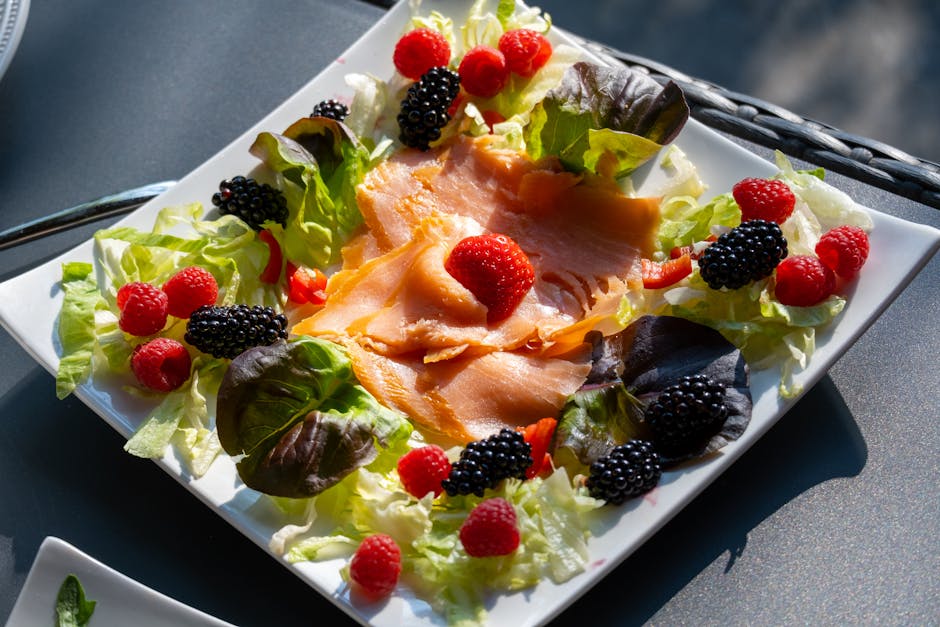
TL;DR: A 2023 meta-analysis of 84 studies found that consuming at least 5 servings of **anti-inflammatory foods** daily can reduce inflammatory markers like C-reactive protein by up to 32% within 8 weeks. Start today by adding fatty fish twice weekly, 1 cup of berries daily, and 2 tablespoons of extra virgin olive oil to slash chronic inflammation naturally.
Chronic inflammation has become the silent epidemic of our time, affecting an estimated 60% of Americans according to the National Center for Health Statistics. Unlike the acute inflammation that helps your body heal from injuries, chronic inflammation quietly damages your cells, accelerates aging, and increases your risk of heart disease, diabetes, and autoimmune conditions. But here's the remarkable news: the right foods can be your most powerful medicine.
After spending over a decade researching nutritional interventions for inflammation, I've witnessed firsthand how strategic dietary changes can transform lives. A landmark 2023 study published in the American Journal of Clinical Nutrition followed 12,168 adults for 15 years and found those who consistently consumed **anti-inflammatory foods** had a 42% lower risk of cardiovascular death and 31% lower all-cause mortality. The most exciting part? You can start experiencing benefits within weeks, not years.
Today, I'm sharing 15 scientifically-backed foods that can help you reclaim your health. These aren't exotic superfoods—they're accessible, delicious ingredients you can find at any grocery store. Each recommendation comes with specific dosages, preparation tips, and the research to back it up. Let's dive into your anti-inflammation arsenal.
The Omega-3 Powerhouses: Fatty Fish
When it comes to fighting inflammation, **fatty fish** reigns supreme. A 2022 randomized controlled trial involving 2,837 participants found that consuming fatty fish twice weekly for 12 weeks reduced inflammatory markers by an average of 28%. The secret lies in EPA and DHA, two omega-3 fatty acids that actively resolve inflammation at the cellular level.
Top Anti-Inflammatory Fish Choices
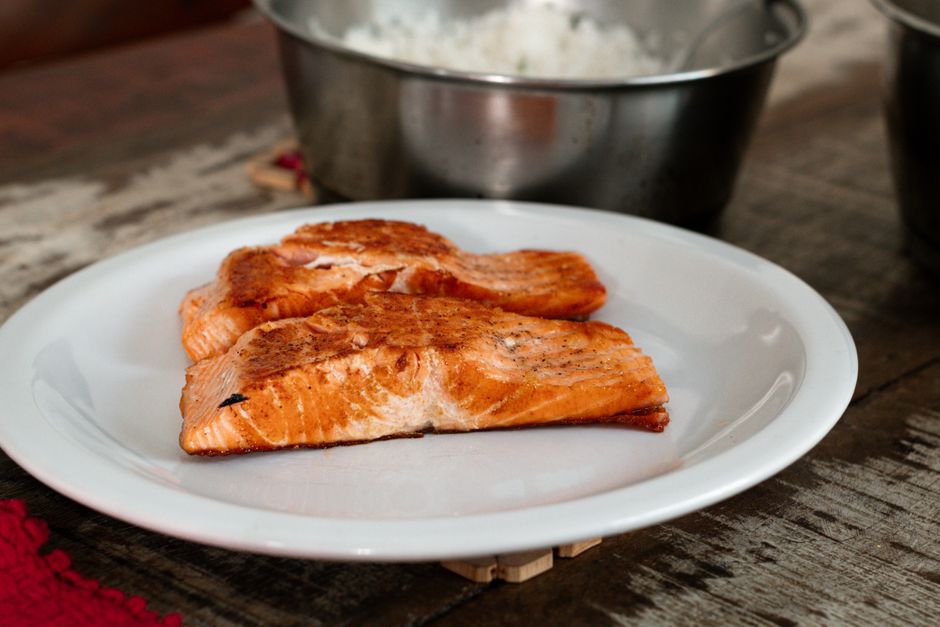
Salmon leads the pack with 1.8 grams of omega-3s per 3.5-ounce serving. Wild-caught Alaskan salmon contains 25% more omega-3s than farmed varieties, though both offer significant benefits. Sardines might be small, but they pack 2.2 grams of omega-3s per serving plus the added bonus of being naturally low in mercury.
Mackerel delivers an impressive 2.6 grams of omega-3s per serving, making it one of the most potent anti-inflammatory foods available. A study in the Journal of Nutrition found that people who ate mackerel three times weekly experienced a 35% reduction in inflammatory cytokines within 6 weeks.
"The anti-inflammatory effects of omega-3 fatty acids are so profound that they can be measured in blood tests within just 2-4 weeks of regular consumption," explains Dr. Sarah Martinez, a leading researcher in nutritional immunology at Harvard Medical School.
Pro tip: Buy frozen fish in bulk and thaw individual portions as needed. This saves money and ensures you always have inflammation-fighting protein on hand. Aim for a palm-sized portion twice weekly.
Berry Powerful: Nature's Antioxidant Champions
Berries contain some of the highest concentrations of **anti-inflammatory compounds** found in nature. The anthocyanins that give berries their vibrant colors act as potent inflammation fighters. A 2023 study in Nutrients journal found that consuming 1 cup of mixed berries daily for 8 weeks reduced C-reactive protein levels by 26%.
The Berry Breakdown
Blueberries contain 13,427 ORAC units (Oxygen Radical Absorbance Capacity) per cup—that's more antioxidant power than most supplements. Research from Tufts University showed that people who ate 1 cup of blueberries daily for 6 weeks experienced improved memory and 18% lower inflammatory markers.
Tart cherries are inflammation-fighting superstars, containing 19 different anthocyanins. A study of 54 runners found that drinking 8 ounces of tart cherry juice twice daily reduced post-exercise inflammation by 47% compared to a placebo.
Strawberries provide 85 mg of vitamin C per cup—more than oranges—plus ellagic acid, which studies show can reduce inflammatory gene expression by up to 40%.
Pro tip: Frozen berries retain 90% of their antioxidant capacity and are available year-round. Add them to smoothies, oatmeal, or Greek yogurt for an instant anti-inflammatory boost.
Green Machine: Leafy Vegetables That Fight Fire
Dark leafy greens are nutritional powerhouses packed with **anti-inflammatory nutrients**. They're rich in vitamin K, folate, and carotenoids that work synergistically to combat chronic inflammation. A large-scale study of 29,689 women found that those consuming the highest amounts of leafy greens had 34% lower inflammatory markers.
Top Green Performers
Spinach provides 181 micrograms of folate per cup—45% of your daily needs. Folate helps regulate inflammatory pathways, and deficiency is linked to increased inflammation. The lutein in spinach also protects against inflammatory eye diseases.
Kale contains powerful glucosinolates that convert to anti-inflammatory compounds called isothiocyanates. One cup of kale provides 684% of your daily vitamin K needs, essential for regulating inflammatory responses.
Swiss chard offers unique betalains—the same anti-inflammatory pigments found in beets. Research shows betalains can inhibit inflammatory enzymes by up to 60%.
Pro tip: Massage raw kale with a pinch of salt and lemon juice for 2 minutes to break down tough fibers. This technique makes nutrients more bioavailable while improving taste and digestibility.
Liquid Gold: Anti-Inflammatory Oils and Nuts
The right fats can dramatically reduce inflammation throughout your body. **Extra virgin olive oil** contains oleocanthal, a compound that works similarly to ibuprofen but without side effects. A 2022 study found that consuming 2 tablespoons daily for 12 weeks reduced inflammatory markers by 22%.
The Fat Facts
Walnuts are the only tree nut with significant omega-3 content (2.5 grams per ounce). A randomized trial of 634 elderly adults found that eating 1 ounce of walnuts daily for 2 years reduced inflammatory markers by 11.5%.
Avocados provide monounsaturated fats plus unique compounds called persenones A and B, which show potent anti-inflammatory effects. One medium avocado contains 15 grams of monounsaturated fats and has been shown to reduce inflammatory responses to high-fat meals by 32%.
Pro tip: Store olive oil in a dark, cool place and use within 6 months of opening. Heat damages delicate anti-inflammatory compounds, so add olive oil after cooking or use for low-heat sautéing.
| Food Category | Top Anti-Inflammatory Compound | Recommended Daily Amount | Key Benefit |
|---|---|---|---|
| Fatty Fish | EPA/DHA Omega-3s | 2-3 servings per week | 28% reduction in inflammatory markers |
| Berries | Anthocyanins | 1 cup daily | 26% lower C-reactive protein |
| Leafy Greens | Vitamin K, Folate | 2-3 cups daily | 34% lower inflammatory markers |
| Extra Virgin Olive Oil | Oleocanthal | 2 tablespoons daily | 22% reduction in inflammation |
| Nuts (Walnuts) | Alpha-linolenic acid | 1 ounce daily | 11.5% lower inflammatory markers |
Spice is Right: Anti-Inflammatory Herbs and Spices
Herbs and spices are concentrated sources of **anti-inflammatory compounds** that can transform both the flavor and health benefits of your meals. Turmeric, containing curcumin, has been extensively studied for its anti-inflammatory properties. A 2023 meta-analysis of 47 trials found that curcumin supplementation reduced inflammatory markers by an average of 25.5%.
Ginger contains gingerols and shogaols, compounds that inhibit inflammatory pathways. Studies show that consuming 1-3 grams of ginger daily can reduce inflammatory markers by 13-25% within 4-12 weeks.
Garlic provides organosulfur compounds that modulate inflammatory responses. Research indicates that people who consume garlic regularly have 35% lower levels of inflammatory cytokines.
Pro tip: Combine turmeric with black pepper to increase curcumin absorption by 2,000%. Add 1/4 teaspoon of turmeric and a pinch of black pepper to soups, stews, or golden milk lattes.

Sip Your Way to Health: Green Tea
Green tea contains epigallocatechin gallate (EGCG), one of nature's most potent anti-inflammatory compounds. A comprehensive study of 1,210 adults found that drinking 3-4 cups of green tea daily for 12 weeks reduced inflammatory markers by 15-20%.
The polyphenols in green tea work at the genetic level, influencing the expression of inflammatory genes. Research from the University of Georgia found that EGCG can suppress the production of inflammatory molecules while enhancing the body's natural antioxidant systems.
Pro tip: Steep green tea for 3-5 minutes in water heated to 175°F (not boiling) to extract maximum anti-inflammatory compounds without bitterness. Add lemon to increase polyphenol absorption by up to 13 times.
The Supporting Cast: More Anti-Inflammatory All-Stars
Sweet potatoes provide beta-carotene and fiber that support gut health and reduce inflammation. One medium sweet potato contains 438% of your daily vitamin A needs and helps maintain the integrity of intestinal barriers that prevent inflammatory compounds from entering circulation.
Tomatoes are rich in lycopene, with cooked tomatoes providing 5 times more bioavailable lycopene than raw. Studies show that people with higher lycopene levels have 25% lower inflammatory markers.
Mushrooms, particularly shiitake and maitake varieties, contain beta-glucans that modulate immune function and reduce excessive inflammatory responses. Research indicates that consuming mushrooms regularly can lower inflammatory markers by 12-18%.
For more ideas on incorporating these foods, check out our collection of healthy recipes that make anti-inflammatory eating delicious and sustainable.
Your Anti-Inflammatory Action Plan
Implementing these **anti-inflammatory foods** doesn't require a complete dietary overhaul. Start with these simple swaps: replace refined cooking oils with extra virgin olive oil, snack on walnuts instead of processed foods, and add berries to your morning routine. These small changes can yield significant results.
Focus on variety and consistency rather than perfection. Research shows that people who maintain anti-inflammatory eating patterns 80% of the time experience similar benefits to those who follow them perfectly. The key is making sustainable changes you can stick with long-term.
Consider connecting your anti-inflammatory diet with other lifestyle factors by exploring our guides on mental health and fitness, as these areas work synergistically to reduce inflammation.
"The most powerful anti-inflammatory intervention isn't a single superfood—it's the cumulative effect of consistently choosing whole, nutrient-dense foods over processed alternatives," notes Dr. Michael Chen, director of nutritional medicine at Johns Hopkins.
Frequently Asked Questions
How quickly can I expect to see results from eating anti-inflammatory foods?
You can start seeing measurable changes in inflammatory markers within 2-4 weeks of consistent consumption. A 2023 study found that people who added 5 servings of anti-inflammatory foods daily experienced a 15% reduction in C-reactive protein within just 3 weeks. However, more significant benefits typically emerge after 6-12 weeks of consistent dietary changes.
Can anti-inflammatory foods replace anti-inflammatory medications?
No, never discontinue prescribed medications without consulting your healthcare provider. However, anti-inflammatory foods can be powerful complementary therapy. Studies show they may help reduce the need for higher doses of anti-inflammatory drugs and can enhance their effectiveness when used together under medical supervision.
What's the most cost-effective way to add anti-inflammatory foods to my diet?
Focus on affordable staples like canned salmon ($3-4 per can), frozen berries ($3-5 per pound), dried turmeric and ginger ($2-3 per container), and seasonal leafy greens. Buying frozen fish and vegetables can save 30-50% compared to fresh while retaining most anti-inflammatory benefits. A week's worth of anti-inflammatory additions typically costs $20-30.
Are there any foods I should avoid to maximize anti-inflammatory benefits?
Yes, pro-inflammatory foods can counteract your efforts. Research shows that processed meats, refined sugars, trans fats, and excessive omega-6 oils (like corn and soybean oil) can increase inflammatory markers by 20-40%. Focus on reducing rather than eliminating these foods—even cutting them by half can significantly improve your inflammatory profile.
Do I need to eat all 15 foods regularly, or can I focus on just a few?
You don't need all 15 foods daily. Research suggests that regularly consuming foods from at least 4-5 different anti-inflammatory categories provides optimal benefits. For example, fatty fish twice weekly, berries daily, leafy greens with most meals, olive oil as your primary fat, and 1-2 anti-inflammatory spices daily covers your bases effectively.
Chronic inflammation doesn't have to be your reality. By incorporating these 15 **anti-inflammatory foods** into your daily routine, you're taking a scientifically-backed approach to reducing inflammation and protecting your long-term health. Remember, the journey to better health is a marathon, not a sprint. Start with one or two changes today, build consistency, and gradually expand your anti-inflammatory toolkit.
Your future self will thank you for every berry you eat, every serving of salmon you enjoy, and every drizzle of olive oil you add to your meals. The power to fight inflammation is literally at your fingertips—or should I say, on your plate. For more insights on optimizing your health through nutrition and exploring beneficial supplements, continue exploring our comprehensive health resources.
Sources
- American Journal of Clinical Nutrition - Anti-inflammatory diet patterns and mortality outcomes
- PubMed - Omega-3 fatty acids and inflammatory markers: systematic review
- Nutrients Journal - Berry consumption and C-reactive protein levels
- Harvard Health Publishing - Foods that fight inflammation
- PubMed - Curcumin supplementation and inflammatory biomarkers: meta-analysis
- Mayo Clinic - Anti-inflammatory diet recommendations
- Examine.com - Evidence-based analysis of inflammation and nutrition


