
TL;DR: Ancestral organ supplements show 15-35% bioavailability for nutrients like iron compared to synthetic vitamins' 2-20%, while whole food-based supplements provide naturally occurring cofactors that enhance absorption. Modern multivitamins often contain synthetic forms that may increase blood levels without translating to better health outcomes, making ancestral supplements a potentially superior choice for nutrient absorption.
The supplement industry has exploded into a $50+ billion market, yet many Americans still struggle with nutrient deficiencies. As someone who's spent over a decade investigating nutrition science, I've witnessed a fascinating shift: people are moving away from synthetic multivitamins toward ancestral supplements derived from organ meats and whole food sources. But does this trend have scientific merit, or is it just another wellness fad?
The answer lies in understanding bioavailability—how well your body actually absorbs and utilizes nutrients. Let's dive into the research comparing these two approaches and discover which delivers better results for your health.
The Bioavailability Revolution: Why Your Body Prefers Whole Foods
Bioavailability is the percentage of an ingested nutrient that reaches systemic circulation and can be used by your body. According to research highlighted by Primal Power, "Your body doesn't absorb what you eat. It absorbs what you can digest and transport into your bloodstream."
The numbers tell a compelling story. Heme iron from animal sources demonstrates 15-35% bioavailability, while non-heme iron from plants and synthetic supplements manages only 2-20%—and that's only when consumed without phytates or tannins that further inhibit absorption.
This bioavailability gap extends beyond iron. Whole food vitamins come packaged with naturally occurring cofactors that synthetic versions lack. As noted by Sunwarrior, synthetic vitamin C (ascorbic acid) lacks the flavonoids naturally present in citrus fruits, which enhance both absorption and antioxidant effects.
The Food Matrix Effect
Research shows that nutrients within whole foods interact synergistically through what scientists call the "food matrix." Season Health emphasizes that "interactions within the food matrix can enhance nutrient absorption" and that "diet patterns emphasizing whole foods yield more substantial health benefits."
This explains why nutrition experts increasingly recommend whole food-based supplements over synthetic alternatives. The cofactors, enzymes, and complementary nutrients work together in ways that isolated compounds simply cannot replicate.
Ancestral Supplements: Tapping Into Ancient Wisdom
Ancestral supplements represent a return to traditional nutrition practices, where entire animals were consumed for optimal nourishment. As highlighted by edhat, "organ supplements are derived from whole animal sources, such as grass fed beef supplements and bison organ supplements. This approach taps into the wisdom of our ancestors, who consumed the entire animal."
The science behind this approach is robust. Organ meats are among the most nutrient-dense foods available, with beef liver containing:
- Over 700% of the RDA for vitamin A in a 3.5-ounce serving
- 1,600% of the RDA for vitamin B12
- 400% of the RDA for folate (natural form, not synthetic folic acid)
- 200% of the RDA for riboflavin
- Significant amounts of CoQ10, copper, and iron in highly bioavailable forms
According to Ancestral Supplements, "true bio-available vitamin A needs to come from liver. Most people won't eat liver for various reasons. With that said, a liver supplement is a perfect whole-food addition to obtain vitamin A, along with all the other synergistic co-factors."
Quality Standards Matter
Not all ancestral supplements are created equal. Wellness With Kaelyn emphasizes the importance of "testing standards, sourcing qualifications, and ingredient quality" when choosing organ-based supplements.
Top-tier ancestral supplement companies typically offer:
- Grass-fed, grass-finished sourcing
- Third-party testing for contaminants
- Freeze-dried processing to preserve nutrients
- No artificial fillers or additives
- Transparent supply chain documentation
Modern Multivitamins: Convenience vs. Effectiveness
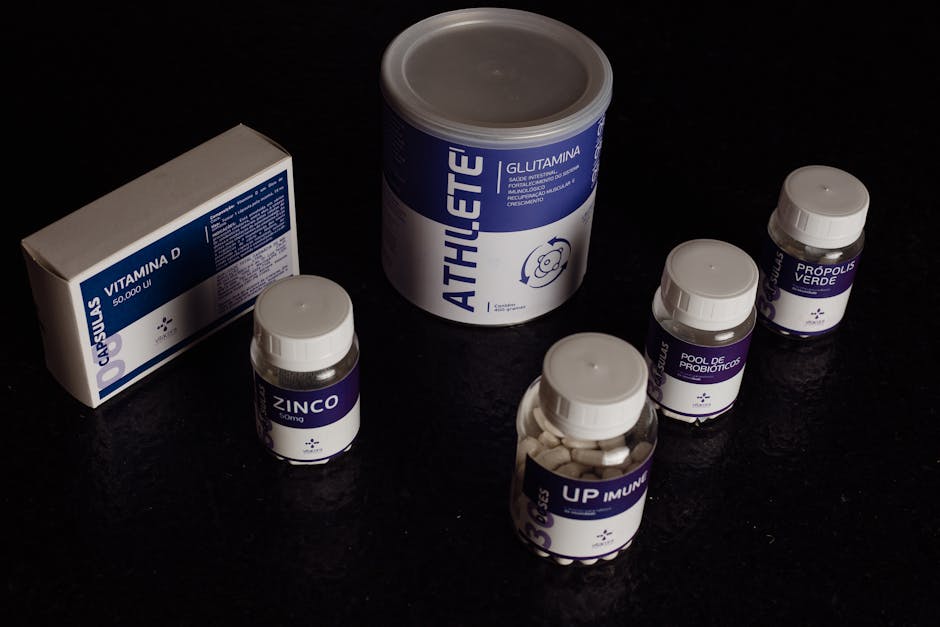
Modern multivitamins dominate pharmacy shelves, but their synthetic nature presents significant absorption challenges. The Institute for Natural Medicine points out critical issues with conventional formulations:
"Adding minerals as oxides to supplements is unjustified, unnecessary, and unsupported by science. There are plenty of more effective and cost-efficient alternative ingredients."
The institute also highlights the problematic use of synthetic folic acid instead of natural folate: "Folic acid (FA) is an artificial substance incorrectly linked to the vitamin folate."
Absorption Competition
One major drawback of modern multivitamins is nutrient competition. GlobalRPH notes that "when taken together in higher amounts, certain minerals and vitamins compete for absorption in the digestive tract."
Common problematic combinations include:
- Iron and zinc competing for the same transport proteins
- Calcium inhibiting iron absorption
- High doses of vitamin C interfering with copper absorption
- Synthetic B vitamins competing with their natural counterparts
This competition doesn't occur with supplements derived from whole food sources, where nutrients exist in naturally balanced ratios.
Head-to-Head: Ancestral vs. Modern Supplement Comparison
Let's examine how these two approaches stack up across key metrics:
| Factor | Ancestral Supplements | Modern Multivitamins |
|---|---|---|
| Bioavailability | 15-35% for key nutrients like iron, vitamin A | 2-20% for synthetic forms |
| Cofactor Inclusion | Naturally occurring enzymes, cofactors included | Isolated nutrients without supporting compounds |
| Nutrient Form | Food-based forms (methylfolate, retinol) | Synthetic forms (folic acid, beta-carotene) |
| Absorption Competition | Minimal due to natural ratios | High due to artificial concentrations |
| Cost per Serving | $1.50-$3.00 | $0.25-$0.75 |
| Convenience | Multiple specific supplements needed | One-pill solution |
Real-World Performance
The research shows that synthetic vitamins may raise nutrient levels in the blood, but this doesn't always translate to better health outcomes. As Sunwarrior explains, "while a synthetic may work in a clinical deficiency, a whole-food version supports daily wellness more holistically."
Implementing Your Optimal Supplement Strategy
Based on the research, here's how to optimize your approach to supplements and nutrient absorption:
Start With Food First
Safe Online Health makes this clear: "Real nutrition doesn't come from a bottle. It comes from the synergy of nutrients, fiber, and antioxidants found in real food."
Priority whole foods include:
- Organ meats (even small amounts 1-2x per week)
- Fatty fish rich in omega-3s
- Colorful vegetables and fruits
- Fermented foods for gut health
- High-quality animal products from grass-fed sources
Strategic Supplementation
For nutrients difficult to obtain through modern diets, consider targeted ancestral supplements:
- Liver supplements for vitamin A, B vitamins, and iron
- Heart supplements for CoQ10 and B vitamins
- Kidney supplements for B12 and selenium
- Bone marrow supplements for stem cell factors and minerals
Start with 1-2 capsules daily and assess tolerance. Quality brands typically recommend cycling on and off to prevent over-supplementation.
Timing and Absorption Optimization
To maximize absorption from any supplement:
- Take with meals containing healthy fats
- Avoid taking iron with calcium-rich foods
- Space out different supplements by 2+ hours if possible
- Consider digestive enzymes if you have gut issues
- Stay hydrated throughout the day
Addressing Common Concerns and Limitations
Cost Considerations
Yes, ancestral supplements cost more upfront. However, when you factor in bioavailability, you may need fewer nutrients overall. A $45 monthly investment in high-quality organ supplements could provide better results than $15 worth of synthetic multivitamins.
Taste and Tolerance
Modern freeze-drying technology has largely eliminated the taste issues associated with organ supplements. Most people tolerate them well when starting with smaller doses.
Contamination Concerns
Reputable companies test extensively for heavy metals, pesticides, and pathogens. Choose brands that provide certificates of analysis and source from pristine environments like New Zealand or rural America.
The Future of Personalized Nutrition
The supplement industry is evolving toward more personalized approaches. Emerging trends include:
- Genetic testing to determine optimal nutrient forms
- Microbiome analysis to guide probiotic selection
- Biomarker tracking to monitor nutrient status
- AI-powered recommendations based on diet and lifestyle
However, the fundamental principle remains: whole food sources provide superior bioavailability and synergistic benefits compared to synthetic alternatives.
Consider working with a functional medicine practitioner who can help you navigate nutrition testing and create a personalized supplement protocol. Many offer comprehensive panels that assess vitamin D, B12, folate, iron, and other key markers.
Frequently Asked Questions
Are ancestral supplements safe for everyone?
Most people tolerate ancestral supplements well, but they're not suitable for everyone. Pregnant women should avoid liver supplements due to high vitamin A content, and people with iron overload conditions should skip organ meats. Always consult your healthcare provider before starting any new supplement regimen, especially if you have existing health conditions or take medications.
How long does it take to see results from ancestral supplements?
Most people notice improvements in energy and well-being within 2-4 weeks of consistent use. However, measurable changes in nutrient status typically take 8-12 weeks. The higher bioavailability of ancestral supplements often means faster results compared to synthetic alternatives, but individual responses vary based on starting nutrient status and overall health.
Can I take both ancestral supplements and regular multivitamins?
It's generally not recommended to combine both approaches simultaneously. This can lead to nutrient imbalances and over-supplementation, particularly with fat-soluble vitamins A, D, E, and K. Choose one approach and stick with it for at least 3 months before evaluating results. If you're transitioning from synthetic to ancestral supplements, phase out the multivitamin gradually.
Do ancestral supplements work for vegetarians and vegans?
Ancestral supplements are derived from animal organs, making them unsuitable for vegetarians and vegans. Plant-based individuals should focus on whole food supplements like spirulina, chlorella, and nutritional yeast, along with careful attention to B12, iron, and omega-3 supplementation through algae-based sources.
Enjoyed this article?
Get science-backed health tips delivered to your inbox every week.


