TL;DR: AI-powered rehabilitation methods can cut recovery time by 30% compared to standard approaches, while AI guidance improves workout consistency by 16%. By leveraging biometric data from wearables and following data-driven recovery protocols—including optimal 10-30 minute recovery sessions and strategic rest day placement—you can maximize your workout results while preventing overtraining.
The Science Behind AI-Driven Recovery: Why Your Body Needs Smart Rest
Gone are the days of guessing whether you're ready for your next workout or pushing through fatigue without understanding its impact. AI-driven recovery protocols are revolutionizing how athletes and fitness enthusiasts optimize their training by analyzing vast amounts of biometric data to deliver personalized recovery strategies.
According to recent research tracking over 11,000 athletes, AI guidance improved workout consistency and adherence by approximately 16%. More importantly, studies show that AI-powered rehabilitation methods can reduce recovery time by 30% compared to traditional approaches, giving you a significant edge in your fitness journey.
The key lies in understanding that recovery isn't just about rest—it's about intelligent, data-driven rest that responds to your body's actual physiological state rather than arbitrary schedules or one-size-fits-all approaches.
How AI Analyzes Your Recovery Needs: The Technology Behind the Magic
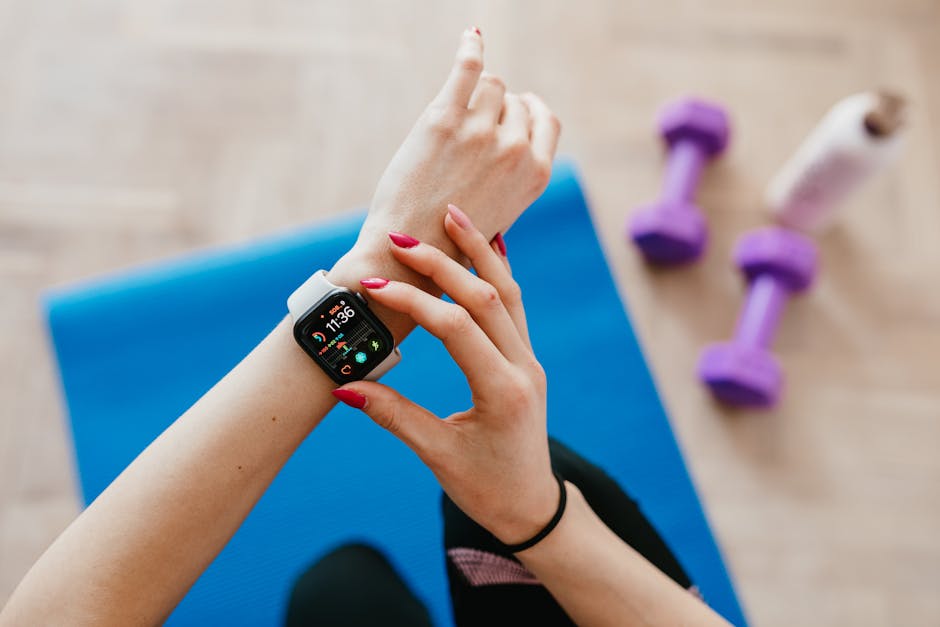
AI-powered fitness platforms work by continuously monitoring and analyzing multiple biometric markers that traditional recovery methods often miss. According to Jackson Health System, these platforms can analyze biometric data such as heart rate, sleep cycles, muscle fatigue, and emotional stress to optimize workout plans and recovery protocols.
Key Metrics AI Monitors for Recovery
- Heart Rate Variability (HRV): Indicates autonomic nervous system recovery status
- Sleep Quality Scores: Tracks deep sleep phases crucial for muscle repair
- Muscle Fatigue Indicators: Uses movement patterns and performance metrics
- Stress Biomarkers: Monitors cortisol patterns through various indicators
- Hydration Levels: Tracks fluid balance for optimal recovery
AI systems excel at detecting patterns in this data that would be impossible for humans to process manually. For example, they can identify subtle correlations between your sleep debt from three nights ago and today's decreased power output, then adjust your recovery protocol accordingly.
As noted by AI Endurance specialists, the platform analyzes data related to fatigue and recovery metrics, enabling it to suggest optimal rest days and recovery protocols, ensuring athletes can train effectively without risking burnout or injury.

Practical Implementation: Your Step-by-Step Guide to AI Recovery
1. Choose the Right AI Recovery Platform
Start by selecting a platform that matches your training style and goals. Popular options include TrueCoach for habit tracking, Fitbod for strength training recovery, and AI Endurance for endurance athletes. Each platform offers unique advantages in AI-driven recovery protocols.
2. Establish Your Baseline Metrics
Spend the first 2-3 weeks allowing the AI to learn your patterns. During this period, consistently track:
- Daily sleep quality (aim for 7-9 hours with consistent bed/wake times)
- Morning HRV readings (take immediately upon waking)
- Hydration intake (minimum 35ml per kg of body weight)
- Perceived exertion scores after each workout (1-10 scale)
- Recovery activities and their duration
3. Optimize Recovery Session Duration
Research indicates that regular use of AI recovery devices should involve 10 to 30 minutes based on the device's recommendations and your personal comfort level. The key is consistency rather than marathon recovery sessions.
Data-Driven Recovery Protocols: What the Numbers Tell Us
The most effective AI-driven recovery protocols follow specific patterns backed by research. A comprehensive analysis of recovery methods shows significant variations in effectiveness:
| Recovery Method | Success Rate (SUCRA Score) | Optimal Duration | Best Used After |
|---|---|---|---|
| Gamified Exergaming | 99.6% | 15-20 minutes | Low-intensity days |
| Hybrid Physical Therapy + Exergaming | 81.2% | 25-30 minutes | High-intensity workouts |
| Therapeutic Exergaming | 80.4% | 20-25 minutes | Strength training |
| Traditional Recovery Methods | 60-70% | 30-45 minutes | General use |
According to a recent network meta-analysis, Gamified Exergaming (SUCRA = 99.6%) emerged as the top intervention for functional recovery, demonstrating the power of AI-enhanced recovery methods.
Strategic Rest Day Placement
AI systems excel at determining optimal rest day timing. Research shows that strategically positioning rest days after high-intensity workouts or after a series of consecutive moderate-intensity sessions can optimize muscle recovery and reduce the risk of overtraining.
Integrating AI Recovery with Nutrition: The Complete Protocol
Modern AI platforms don't just focus on rest—they integrate recovery with nutrition timing and composition. Smart systems now recommend specific post-workout nutrition protocols to accelerate recovery.
AI-Recommended Recovery Nutrition Timeline
- 0-30 minutes post-workout: 20-30g whey protein + 30-40g simple carbs
- 1-2 hours post-workout: Complete meal with 30g protein + 50g complex carbs
- Before bed: 20-25g casein protein (if training was intense)
- Hydration: 150% of fluid lost through sweat within 6 hours
This precision in timing and amounts represents a significant advantage over generic recovery advice, allowing your body to optimize the repair process based on the specific demands of your workout.
Preventing Overtraining: AI's Early Warning System
One of the most valuable aspects of AI-driven recovery protocols is their ability to detect overtraining before it becomes problematic. According to TrueCoach, AI-driven recovery insights can detect fatigue levels and recommend modifications, with habit tracking to monitor sleep, hydration, and readiness scores.
Early Warning Signs AI Detects
- HRV decline: 10% drop from baseline for 3+ consecutive days
- Sleep disruption: Reduced REM sleep or frequent awakening
- Performance plateaus: No improvement in key metrics for 2+ weeks
- Elevated resting heart rate: 5-10 bpm above normal for multiple days
- Mood indicators: Decreased motivation scores or stress markers
When these patterns emerge, AI systems automatically adjust your training load and recovery protocols, preventing the 4-6 week setbacks typically associated with overtraining syndrome.
Real-World Success Stories: The Numbers Don't Lie
The effectiveness of AI recovery isn't just theoretical. Recent analysis of real-world application data provides compelling evidence of its impact on training outcomes and overall mental health.
A comprehensive study found that 71% of people exercise more regularly with AI chatbots, while AI-powered rehabilitation methods cut recovery time by 30% compared to standard approaches.
Key Performance Improvements
"After implementing AI-driven recovery protocols, athletes reported not only faster physical recovery but also improved training consistency. The data shows a 16% improvement in workout adherence and a 30% reduction in injury-related training interruptions." - Runner's World Tech Lab (2024)
These improvements translate into tangible benefits for everyday fitness enthusiasts, not just elite athletes. The consistency factor alone—improving adherence by 16%—can mean the difference between achieving your fitness goals and abandoning them mid-year.
Your 7-Day Quick Start Guide to AI Recovery
Ready to implement AI-driven recovery protocols immediately? Here's your practical roadmap:
Days 1-2: Setup and Baseline
- Download a reputable AI fitness app (Fitbod, TrueCoach, or AI Endurance)
- Input your current fitness level, goals, and available equipment
- Begin tracking sleep, HRV, and hydration daily
- Complete initial fitness assessments
Days 3-5: Data Collection
- Follow AI-generated workouts without modifications
- Track perceived exertion after each session
- Monitor recovery metrics consistently
- Document how you feel each morning (1-10 scale)
Days 6-7: Initial Optimization
- Review AI recommendations for rest day placement
- Implement suggested recovery activities (10-30 minutes daily)
- Adjust nutrition timing based on AI recommendations
- Note any patterns in energy levels or performance
Advanced AI Recovery Strategies for Maximum Results
Once you've mastered the basics, advanced AI recovery protocols can provide even greater benefits. These strategies require more sophisticated tracking but deliver proportionally better results.
Periodized Recovery Integration
Advanced AI systems can integrate your recovery protocols with periodized training plans. This means adjusting recovery intensity and methods based on your training phase:
- Base Building Phase: Focus on sleep optimization and stress management
- Intensity Phase: Emphasize active recovery and targeted muscle therapy
- Peak/Competition Phase: Minimize recovery time while maximizing effectiveness
- Recovery Phase: Comprehensive restoration protocols
Biometric Feedback Loops
Set up multiple feedback mechanisms to give AI systems richer data sets:
- Continuous glucose monitoring for metabolic recovery insights
- Advanced sleep tracking with multiple sleep stages
- Stress monitoring through cortisol awakening response
- Inflammation markers via specific biomarker testing
Frequently Asked Questions
How quickly can I expect to see results from AI-driven recovery protocols?
Most users see initial improvements within 2-3 weeks, with significant results by week 6-8. Research shows a 16% improvement in workout consistency within the first month, while the full 30% reduction in recovery time typically manifests after 6-12 weeks of consistent implementation.
Do I need expensive equipment to benefit from AI recovery protocols?
No, you can start with just a smartphone and basic fitness tracker. Many AI platforms work with minimal data input, though more sophisticated wearables (HRV monitors, advanced sleep trackers) provide better personalization. The key is consistent data collection, not expensive equipment.
Can AI recovery protocols replace traditional methods like massage or stretching?
AI protocols enhance rather than replace traditional methods. They optimize when, how long, and which recovery methods to use based on your current physiological state. For example, AI might recommend 15 minutes of stretching after leg day but suggest massage therapy after high-intensity interval training.
How does AI handle individual differences in recovery needs?
AI systems adapt to your unique physiological patterns through continuous learning. They account for factors like age, training history, stress levels, and genetic predispositions by analyzing your specific response patterns to different recovery interventions over time.
What should I do if the AI recommendations don't feel right for my body?
Always listen to your body first. AI systems improve with feedback, so log how you feel after following recommendations. Most platforms allow manual overrides and learn